Skip to content
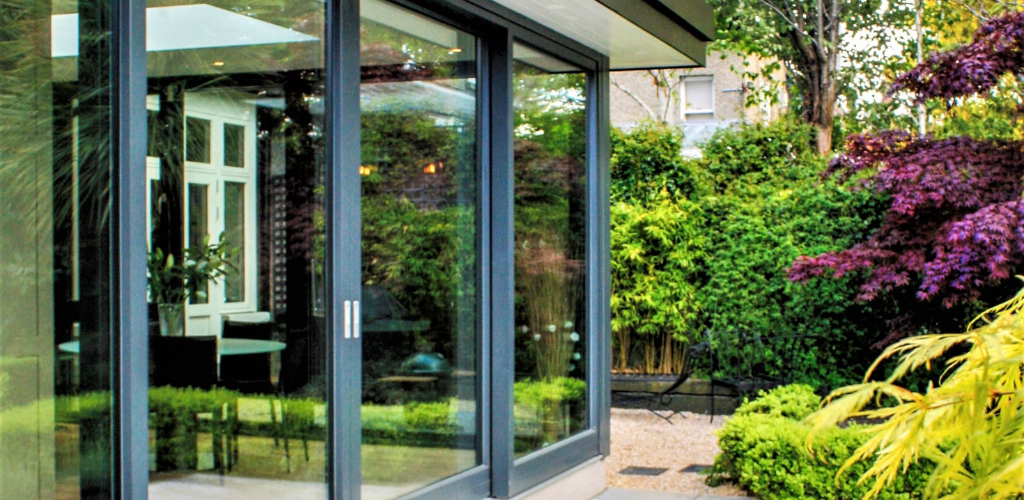
Sliding glass doors offer a seamless transition between indoor and outdoor spaces, flooding rooms with natural light and enhancing views. When considering an upgrade or new installation, understanding the factors that influence their cost is crucial for budgeting and making informed decisions. The price of sliding glass doors isn’t a one-size-fits-all figure; it’s a reflection of materials, design, size, hardware, and the complexity of installation.
Key points
- Material choice (vinyl, aluminum, wood, fiberglass) significantly impacts sliding glass door cost.
- Door size, configuration, and customization options influence the overall price.
- Energy-efficient glass, Low-E coatings, and impact-resistant glass increase cost but offer benefits.
- Hardware quality, finishes, and additional features contribute to the final price.
- Professional installation costs vary based on complexity and are crucial for optimal performance.
Material Choices and Their Impact on Price
The primary material of your sliding glass door frame significantly affects its overall cost. Vinyl frames are generally the most economical option, offering good insulation and low maintenance. Aluminum frames, while durable and slim, can be less energy-efficient and are often more expensive. For a premium aesthetic and excellent thermal performance, wood frames are a beautiful choice but come with a higher price tag and require more upkeep. High-performance options like fiberglass offer durability and energy efficiency, often at a mid-to-high price point. Each material has distinct advantages in terms of cost, aesthetics, and performance, influencing the final investment.
Size, Configuration, and Customization
The dimensions of the sliding glass door are a direct cost driver. Larger doors require more material and potentially more complex installation, naturally increasing the price. The configuration also plays a role; standard two-panel sliders are typically less expensive than multi-panel systems or those with fixed glass sections. Custom sizes and shapes, while offering unique design possibilities, will also command a higher price due to the specialized manufacturing involved. Consider how the door will integrate with your existing architecture and the unobstructed view you desire when evaluating size and configuration options.
Glass Type and Energy Efficiency
The type of glass selected for your sliding doors has a substantial impact on both cost and performance. Standard clear glass is the most basic and least expensive. However, opting for energy-efficient features can significantly improve your home’s comfort and reduce utility bills. Double-pane or triple-pane glass with an insulating gas fill (like argon or krypton) enhances thermal performance. Low-E (low-emissivity) coatings reflect heat, keeping interiors cooler in summer and warmer in winter. Impact-resistant glass, crucial in hurricane-prone areas, offers enhanced security and protection against severe weather but comes at a premium price. The choice of glass is an investment in comfort, security, and long-term savings.
Hardware, Finishes, and Additional Features
The hardware—handles, locks, and rolling mechanisms—is more than just functional; it contributes to the door’s aesthetics and price. Higher-quality hardware made from durable materials like stainless steel or brass, often with advanced locking systems, will be more expensive but offer better longevity and smoother operation. Finishes can also vary, with custom colors or premium metallic looks adding to the cost. Additional features like integrated blinds or specialized screens can also increase the overall price. These elements, though seemingly minor, add to the door’s usability and aesthetic appeal.
Installation and Labor Costs
Professional installation is a critical component of the total cost for sliding glass doors. The complexity of the installation process, including the need for structural modifications, custom framing, or difficult site access, will influence labor charges. Experienced installers ensure the door operates smoothly, seals properly, and meets all safety and building code requirements. While DIY installation might seem like a cost-saving measure, improper installation can lead to performance issues, air leaks, and potential damage, often costing more in the long run. Always factor in professional installation for optimal results and peace of mind.
Considering Window Parts and Repairs
While this article focuses on new sliding glass doors, it’s worth noting that maintaining existing doors can involve replacing specific window parts. Worn-out rollers, broken locks, or damaged seals can often be repaired or replaced, which is typically far less expensive than a full door replacement. For instance, if the rolling mechanism on your sliding glass door is failing, sourcing appropriate window parts to fix it can extend the life of your current door. Understanding when a repair is feasible versus when a new installation is necessary is key to managing your home improvement budget effectively. If the damage is extensive or the door is outdated, new sliding glass doors may be the more practical long-term solution.
Common questions
What are the most common materials for sliding glass doors?
The most common materials for sliding glass doors are vinyl, aluminum, wood, and fiberglass, each offering different levels of cost, durability, and aesthetic appeal.
How does the size of a sliding glass door affect its cost?
Larger sliding glass doors cost more because they require more materials and often involve a more complex installation process.
Are energy-efficient glass options more expensive?
Yes, energy-efficient glass options like double-pane, Low-E coatings, and gas fills are typically more expensive than standard clear glass, but they offer long-term savings on energy bills.
Does professional installation add significantly to the cost of sliding glass doors?
Professional installation is a necessary part of the total cost. While it adds to the upfront expense, it ensures proper function, energy efficiency, and longevity, preventing potentially more costly repairs down the line.
Can I repair my existing sliding glass door instead of replacing it?
Often, minor issues with sliding glass doors, such as worn rollers or faulty locks, can be resolved by replacing specific window parts. However, significant damage or outdated components may necessitate a full replacement.