Skip to content
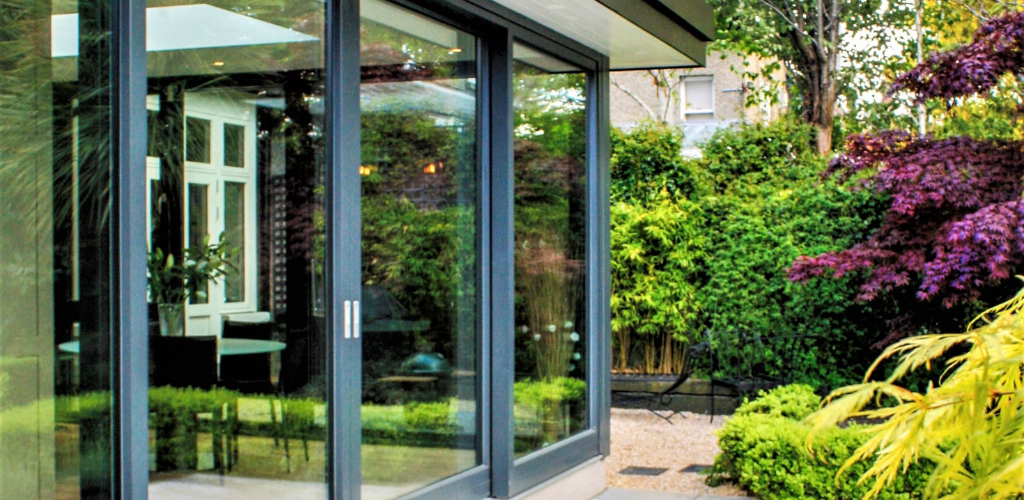
Sliding glass doors offer a seamless connection between indoor and outdoor living spaces, bathing your home in natural light and providing convenient access. While their operation appears simple, a well-functioning sliding door involves several key components working in harmony. Understanding these parts, how they are installed, and what maintenance they require can help you prolong their lifespan and avoid costly repairs.
Key points
- Sliding glass doors consist of glass panels, tracks, rollers, weatherstripping, and locks.
- Proper installation is crucial for optimal performance and longevity.
- Regular maintenance, especially cleaning and lubricating the track, prevents common issues.
- Worn rollers and track debris are the most frequent causes of repair needs.
- Professional assistance is advisable for complex repairs or if unsure about DIY solutions.
The Anatomy of Sliding Glass Doors
A typical sliding glass door system comprises several critical elements. The most visible are the large glass panels, which can be single or double-paned and are often made of tempered or laminated safety glass. These panels glide along a track, usually made of aluminum or vinyl. The track itself is a fundamental part of the system, guiding the door’s movement and supporting its weight. Rollers or wheels, attached to the bottom of the door panel, are essential for smooth operation. These rollers sit within the track, allowing the door to slide with minimal effort. Weatherstripping, installed around the frame and between panels, provides a seal against air and water infiltration, contributing to energy efficiency. Finally, locking mechanisms, which can range from simple thumb latches to more complex deadbolts, ensure security.
Installation Considerations
Proper installation is paramount for the longevity and performance of sliding glass doors. The process begins with preparing the opening, ensuring it is plumb, level, and square. The frame of the new door is then carefully positioned and secured, with shims used to make fine adjustments. Once the frame is stable, the glass panels are installed. The weight of these panels necessitates careful handling and precise placement onto the track and rollers. Adjustments to the rollers are crucial at this stage to ensure the door slides smoothly without binding or sagging. Finally, weatherstripping and locking hardware are fitted, and the system is tested for ease of operation and security. Professional installation is highly recommended due to the specialized tools and expertise required.
Essential Maintenance for Longevity
Regular maintenance can prevent many common issues with sliding glass doors. The track is perhaps the most important area to keep clean. Debris, dirt, and grit can accumulate, hindering the smooth movement of the rollers. Vacuuming or sweeping the track regularly, followed by wiping it with a damp cloth, is a simple yet effective practice. Lubricating the track and rollers periodically with a silicone-based spray can further enhance smooth operation. Avoid using oil-based lubricants, as they can attract dust and grime. Inspect the weatherstripping for signs of wear or damage, such as cracks or compression. Damaged weatherstripping should be replaced to maintain energy efficiency and prevent water intrusion. Check the locking mechanism periodically to ensure it operates correctly and provides adequate security.
Common Sliding Glass Door Repairs
When sliding glass doors become difficult to open, noisy, or fail to lock properly, it often points to specific issues. The most frequent problem is with the rollers. Over time, they can wear down, become damaged, or accumulate debris. In many cases, replacing worn-out rollers can restore smooth operation. Misalignment of the track or the door panel itself can also cause sticking or difficulty in sliding. This may require adjusting the track or the rollers. If the glass is damaged, such as a crack or a broken pane, it will need to be replaced by a professional. Issues with the locking mechanism may require adjustment or replacement of the hardware. For persistent problems or if you are uncomfortable performing repairs yourself, seeking professional window repairs is the best course of action.
Beyond Sliding Doors: Related Services
While focusing on sliding glass doors, it’s worth noting that expertise in glass and window systems extends to other areas. For instance, maintaining the integrity of your property might involve applying specialized window film for added security or UV protection. If your sliding doors have screens, ensuring these Window & Door Screens are in good condition is vital for ventilation without letting in insects. Sometimes, specific window parts may need replacement, independent of the main door function. For those considering aesthetic upgrades or unique architectural features, services like Glass Stair Railings offer a modern touch to interior design. Any professional dealing with glass and doors will likely offer a range of related services to address diverse homeowner needs.
Common questions
What are the main components of a sliding glass door?
The main components of a sliding glass door include the glass panels, the track, rollers or wheels, weatherstripping, and the locking mechanism.
How often should I clean the track of my sliding glass door?
You should clean the track of your sliding glass door regularly, ideally by vacuuming or sweeping out debris and then wiping it down, to ensure smooth operation.
What causes a sliding glass door to become difficult to open?
A sliding glass door typically becomes difficult to open due to debris in the track, worn-out rollers, or misalignment of the door panel or track.
Can I replace the rollers on my sliding glass door myself?
Yes, replacing the rollers on a sliding glass door is often a DIY repair, but it requires careful handling of the door panel and the correct replacement parts.
What is the purpose of weatherstripping on sliding glass doors?
Weatherstripping on sliding glass doors serves to create a seal against air and water infiltration, enhancing energy efficiency and preventing drafts.