Windows are critical components of any building, offering light, ventilation, and security. Over time, they can sustain damage from wear and tear, accidents, or environmental factors. When this happens, homeowners and business owners face a crucial decision: repair the existing window or invest in a complete replacement. Understanding the factors that influence this choice can save time, money, and preserve the integrity of your property.
Key points
- Assess the extent of window damage to determine if repair or replacement is more suitable.
- Repairing localized issues like a cracked pane or broken screen is often more cost-effective than full replacement.
- Consider the long-term value, performance, and energy efficiency when making your decision.
- Individual window parts are often replaceable, extending the life of the entire window unit.
- Replacement is typically necessary for severely damaged frames or windows with multiple, significant failures.
Assessing the Damage: The First Step
The initial step in deciding whether window repairs are worthwhile involves a thorough assessment of the damage. Minor issues, such as a cracked pane, a malfunctioning sash lock, or a damaged window and door screen, often present clear opportunities for repair. These fixes can be relatively straightforward and significantly less expensive than replacing the entire unit. However, more substantial problems, like warped frames, significant rot, or multiple broken panes in a single window, might point towards a replacement being the more sensible long-term solution. It’s also important to consider the age and overall condition of the window. An older window with multiple failing components may not be a good candidate for repair, as other issues could arise shortly after the initial fix.
When Repair Makes Financial Sense
The economic argument for window repairs is often compelling. If the core structure of the window, including the frame and sash, is sound, then repairing specific components can be a highly cost-effective strategy. For instance, replacing a single pane of glass in a well-maintained frame is typically a fraction of the cost of a new window. Similarly, repairing or replacing worn-out window parts like balances, pivots, or locks can restore functionality without the expense of a full unit replacement. This approach is particularly attractive for older, custom-sized, or historically significant windows where replacement units might be difficult to source or prohibitively expensive. Even issues with sliding glass doors, such as a sticking track or a broken roller, can often be addressed with targeted repairs.
Considering the Long-Term Value and Performance
Beyond immediate cost savings, the decision to repair or replace should also consider long-term value and performance. A well-executed window repair can restore a window to optimal functionality, maintaining its aesthetic appeal and energy efficiency. For example, sealing drafts or replacing compromised seals can improve insulation, reducing heating and cooling costs. Applying window film can also enhance performance by adding UV protection, reducing glare, or improving privacy without altering the window itself. However, if a window is severely degraded, leading to significant energy loss or structural weakness, replacement might offer superior long-term benefits, including improved energy efficiency, enhanced security, and modern aesthetic upgrades.
The Role of Window Parts and Accessories
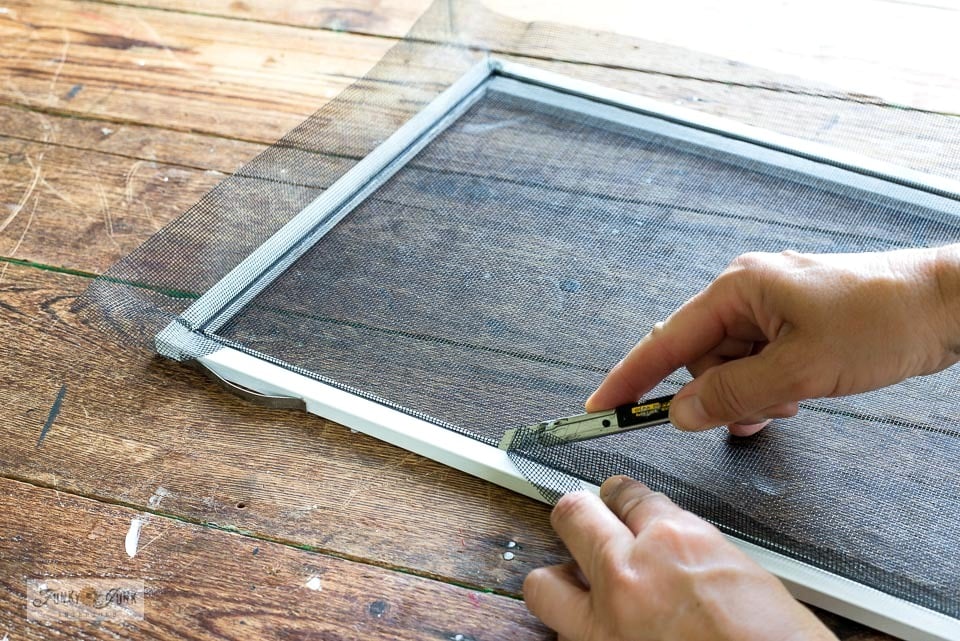
Many window issues stem from the failure of smaller, individual window parts. Worn-out hinges, broken latches, or damaged weatherstripping can compromise a window’s performance and security. In many cases, these parts are replaceable, allowing the window to function as intended again. This is also true for window and door screens; a torn screen can be replaced, restoring its ability to keep insects out while allowing airflow. Specialized components, like those found in sliding glass doors or certain types of architectural glass, can sometimes be sourced and replaced, extending the life of the entire unit. Understanding the availability and cost of these specific window parts is crucial when evaluating repair options.
When Replacement Becomes the Necessary Choice
Despite the advantages of repair, there are instances where replacement is the only practical and beneficial course of action. If a window frame is extensively rotted, cracked, or bowed, its structural integrity is compromised, making repair futile. Similarly, if a window has suffered catastrophic damage, such as multiple broken panes from an impact, or if the glass seal has failed leading to condensation between panes, a full replacement is usually required. Furthermore, if a window is extremely inefficient, contributing to high energy bills, or does not meet current safety codes, upgrading to a modern, energy-efficient, and secure replacement window might be the better investment. This is especially true if the existing window is an older, single-pane model.
See our Window Repairs page for how Supremeglassandwindows can help.
Common questions
When is it worth repairing a window?
It is generally worth repairing a window when the damage is localized to specific components like a single pane of glass, a broken lock, or a damaged screen, and the main frame and sash are still structurally sound. Repair is often more cost-effective than replacement for these types of issues.
What are common window repairs?
Common window repairs include replacing cracked or broken glass panes, fixing or replacing malfunctioning window parts such as balances, locks, and hinges, repairing or replacing window and door screens, and addressing issues with sliding glass doors like sticking tracks or broken rollers.
How do I know if my window needs replacing instead of repairing?
You likely need to replace your window if the frame is significantly rotted, cracked, or warped, if there are multiple issues with the unit, if the glass seal has failed causing internal condensation, or if the window is extremely inefficient and contributing to high energy costs.
Can window film be a substitute for repairs?
Window film can enhance a window’s performance by adding UV protection, reducing glare, or improving privacy and security, but it is not a substitute for structural repairs. It can complement a repaired window but cannot fix physical damage to the glass or frame.