Skip to content
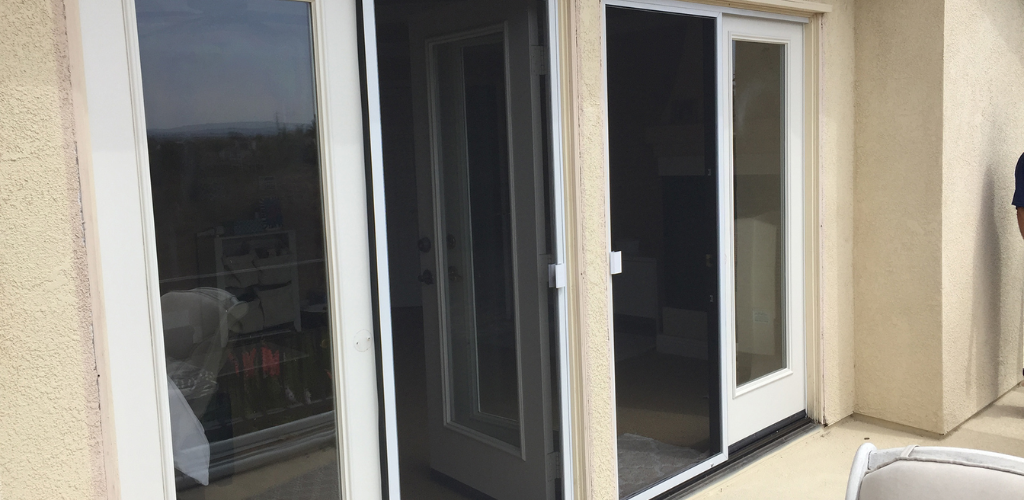
Window and door screens serve a vital role in many homes, offering a barrier against insects while allowing fresh air to circulate. Over time, these screens can suffer damage, leading to tears, holes, or a general decline in their appearance and function. Deciding whether to repair existing screens, replace them entirely, or even consider upgrading to newer options involves evaluating several factors.
Key points
- Inspect screens regularly for tears, holes, and frame damage.
- Minor screen damage is often best repaired to save costs.
- Consider replacement if damage is extensive or repairs are frequent.
- Newer screen materials offer improved durability and features.
- Evaluate screen condition alongside other window and door services.
Assessing Screen Damage and Wear
Regular inspection of your window and door screens is key to identifying issues before they become major problems. Look for common signs of wear, such as small rips, larger tears, frayed edges, or sagging material. The frame itself can also become bent, warped, or corroded, compromising the screen’s integrity. For sliding glass doors, the rollers and tracks can wear down, making operation difficult and potentially damaging the screen or glass. Small holes might be repairable with patches, but extensive damage across a large area often signals that replacement is a more cost-effective and durable solution. Considering the age of your screens and the materials they are made from can also inform this decision. Older, less robust materials may simply not be worth repairing if they are prone to further deterioration.
Repairing vs. Replacing: The Cost-Benefit Analysis
When faced with damaged screens, the immediate question is often: repair or replace? Minor damage, like a small tear in the mesh, can typically be fixed with a screen repair kit or by a professional. This is often the most budget-friendly option for isolated incidents. However, if you find multiple tears, significant sagging, or damage to the frame, the cost of multiple repairs can quickly add up. In such cases, the price of replacing the entire screen, including mesh and frame, might be comparable to, or even less than, the cumulative cost of numerous repairs. Furthermore, a full replacement ensures a consistent look and renewed functionality, potentially offering a better long-term value. If you are looking for specific window parts to complete a repair, sourcing these can sometimes be challenging depending on the age and model of your windows.
When New Screens Make Sense
Investing in new window and door screens can offer several advantages beyond just fixing damage. Modern screen materials provide enhanced durability, better visibility, and improved pest control. For instance, pet-resistant screens are designed to withstand the claws of cats and dogs, while finer mesh screens offer superior protection against smaller insects. If your existing screens are outdated, difficult to operate, or detract from your home’s appearance, replacement becomes a more compelling option. Upgrading can also improve ventilation and light penetration. For sliding glass doors, replacing old screens can restore smooth operation and enhance the overall aesthetic. Sometimes, the decision to replace screens is part of a larger home improvement project, such as updating windows or doors, or even considering more specialized installations like glass stair railings where aesthetics are paramount.
Beyond Traditional Screens: Other Considerations
While window and door screens are common, homeowners may also consider other related services. Window film, for example, can be applied to glass to provide UV protection, reduce glare, or enhance privacy, offering an alternative or supplementary solution to screens for light and heat management. For those looking to enhance security and energy efficiency, impact windows and doors are a significant investment that offers robust protection against severe weather. These are distinct from standard screens but address similar concerns about property protection and comfort. When evaluating the overall condition and functionality of your home’s openings, it’s helpful to consider all available options, from simple screen repairs to advanced window and door solutions.
Common questions
When is it worth repairing window or door screens?
It is worth repairing window or door screens when the damage is minor and localized, such as a small tear or hole, and the frame is still in good condition. Repair is often more cost-effective for single, isolated issues.
What are the signs that window screens need replacement?
Signs that window screens need replacement include extensive tearing or multiple holes, significant sagging of the mesh material, warped or damaged frames, and difficulty operating sliding glass doors due to worn-out screens or tracks.
How do I choose between repairing and replacing screens?
Choose to repair screens for small, isolated damage to save money. Opt for replacement when damage is widespread, the frame is compromised, or when the cost of multiple repairs approaches the price of a new screen, offering a more durable and aesthetically pleasing solution.
Are there alternatives to traditional window screens?
Yes, alternatives and complementary options include window film, which can add UV protection and privacy, and impact-resistant windows and doors, which offer enhanced security and weather protection. These address different needs than standard insect screens.